CD – Penultimate Press
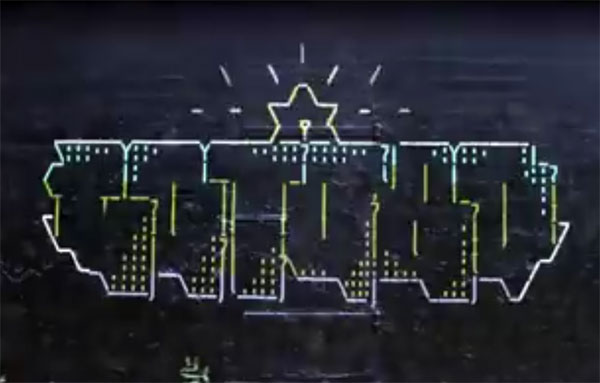
The two initial voices of “The Fly Abstracted Death” converse over a seemingly disjointed, solemn, and slightly lopsided piano interplay that accompanies an equally eccentric black-and-white video populated by flying insects and a female hand flitting in and out of frame. The impression is of something that eludes stable definition, as if each sonic gesture opened a different room, with breathing walls and corridors that stretch out without warning. In the other scores, the voices often become mutterings, hesitations, and small stumbles, inserted into a difficult-to-decipher and vaguely spectral collage of songs, field recordings, and algorithmic echoes. What emerges is a sort of unscripted dialogue, suspended between irony, mystery, sudden operatic tones, and a restlessness that creeps beneath the surface. The “actors” evoked by the title seem to multiply and change masks: now sincere, now mocking, at other times almost journalistic or theatrical, as if Harwood were allowing different voices—human, artificial, or perhaps imaginary—to compete for stage space, simultaneously intertwining and escaping, with sudden bursts or meditative pauses that expand the sonic tempo. The compositions, however, maintain a surprisingly solid framework: here and there, almost pop-like structures or more classical architectures emerge, but they are quickly distorted by some sonic intrusions, deviations, and sudden shifts. It’s as if a recognizable form continually tries to emerge from the flow, only to be diverted elsewhere by some lateral presence, an unexpected noise, or a vocal fragment that suddenly changes the narrative’s tone. The result is a sound theater poised between order and disorder, where moments of unexpected candor coexist with more absurd deviations, with flashes of alienation and subtle pulsations that make the listening experience always new and surprising. So, Two Actors proceeds like a stroll through some unfamiliar environments, where each door offers glimpses of different stories and microcosms. It’s not always clear who’s speaking, nor whether they’re serious or with a sibylline smile. At times, it feels like we’re witnessing a monologue split into two, other times a dialogue between entities that don’t quite match the human voice: presences that appear and disappear, leaving ephemeral traces in their wake, inviting the listener to move cautiously, as if in an acoustic labyrinth. But it’s precisely this ambiguity—fragile, strange, at times surprisingly tender—that makes Mark Harwood’s work particularly fascinating. He creates a small theater of listening where disorientation, play, and a curious form of intimacy coexist without ever finding a definitive resolution.
Mark Harwood – Two Actors