CD – Persistence of Sound
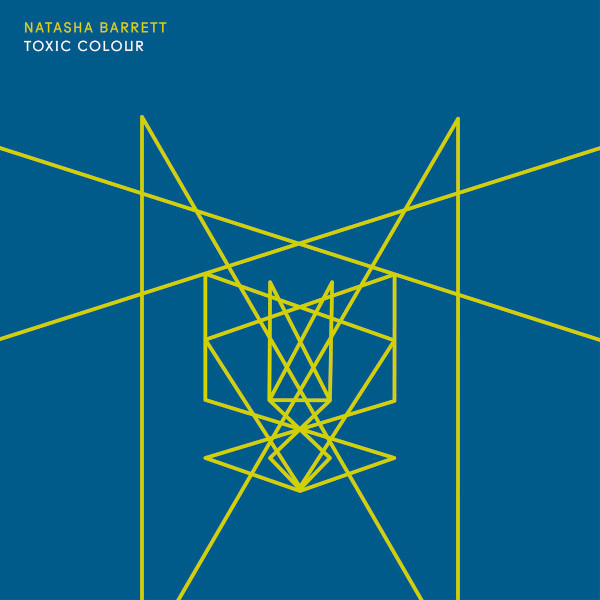
Guided by an aesthetic suspended between suggestion and melancholy, Natasha Barrett collects recordings made with 3D ambisonic microphones, subjecting them to processes of deconstruction, transformation and recomposition in the studio. They carve soundscapes that do not necessarily return to the original places. Rather, these compositions present themselves as narratives, sometimes dystopian and pervaded by a fragile beauty that projects into the future. The album opens with ‘Impossible Moments from Venice 3: The Other Side of the Lagoon’. Here the contrast is between the surface of the lagoon and what hides below it – the water and the sounds of daily life are soon overwhelmed by more invasive noises, such as boat engines, which upset the balance and suggest an unstable dimension. With ‘Glass Eye’ the focus shifts to the theme of surveillance. Protest voices, slogans and vocal fragments are manipulated until they dissolve into impersonal textures, losing all semantic force and turning into neutral sound matter, a sign of control that empties the original content. ‘Ghosts of the Children’ accentuates the disturbing nature of the work – suspended atmospheres, residual presences and evanescent echoes build a fragile texture, harking back to memories erased or never fully surfaced. With ‘The Swifts of Pesaro’, a more airy space opens. The calls of swifts are transformed into electroacoustic textures, offering a moment of suspense, a vital fragment that seems to counteract, if only temporarily, the tense soundscape of the previous tracks. The closing track ‘Toxic Colour’ is the longest and most abrasive composition, in which natural sounds such as water or the buzzing of insects assume disturbing connotations, distorted to evoke a contaminated environment. Nature becomes the sign of a degraded future, a possible consequence of transformation. Overall, the work is configured as a critical reflection on the relationship between man, environment and technology. Barrett does not document the places from which she draws her recordings but reinvents them through a perspective that highlights the social and ecological tensions of the present. Her research shows how sound, manipulated and recomposed, can assume the function of narrative and commentary, returning to the listener an imaginary landscape that interrogates both the perception of the real and its possible derivatives. The album invites us to consider sound as a tool of analysis and interpretation of the contemporary world, capable of highlighting relationships, conflicts and vulnerabilities. In this sense, Barrett’s music does not limit itself to narrative, but proposes a confrontation with what the present and the future hold for us, suspending the listener between observation and reflection.
Natasha Barrett – Toxic Colour